
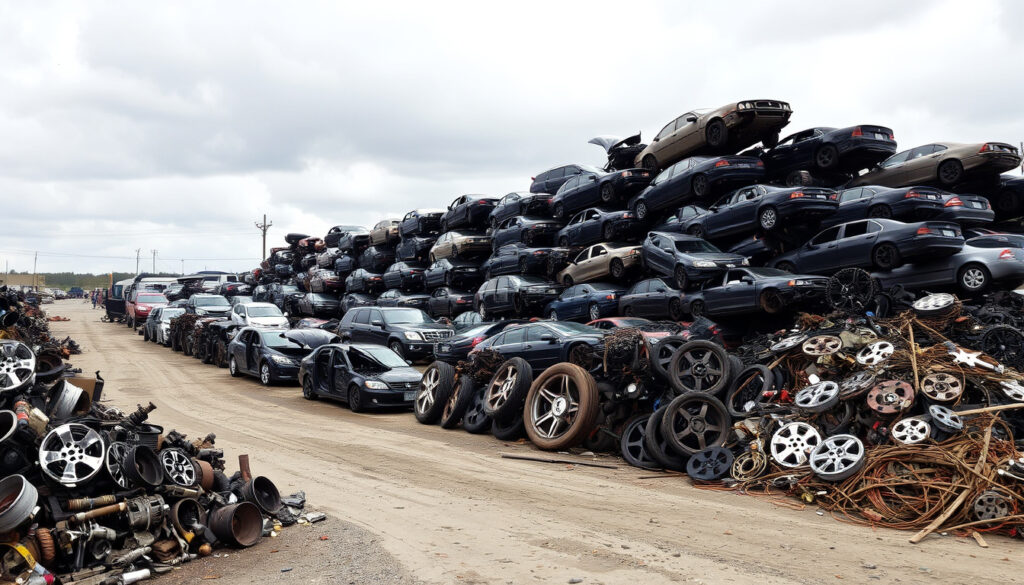
Finding a breakers yard near me has become increasingly practical for UK drivers seeking affordable used car parts or looking to sell end-of-life vehicles. These licensed dismantling facilities serve a dual purpose: they provide affordable replacement components for repairs while ensuring environmentally responsible vehicle disposal. Whether you are a mechanic searching for parts, a driver needing a cost-effective repair solution, or an owner wanting to scrap an unwanted car, understanding how breakers yards operate can save both time and money.
The UK breakers yard industry has evolved significantly over the past decades, with stricter environmental regulations and consolidation reshaping the landscape. Modern facilities operate as Authorised Treatment Facilities, following strict guidelines for vehicle depollution and recycling. This transformation has improved transparency and accountability, making it easier for consumers to find legitimate operations that offer fair prices and quality parts.
What Is a Breakers Yard?
A breakers yard—also called a car breaker yard—is a licensed facility where old, broken, or end-of-life vehicles are systematically dismantled. Usable parts are salvaged, tested, and sold for repairs, while the remaining metal shell is processed for recycling. This differs fundamentally from a pure scrap yard, which focuses primarily on crushing vehicles for raw material recovery rather than parting out individual components.
Key Differences: Breakers Yard vs. Scrap Yard
Understanding the distinction between these two facility types helps consumers make informed decisions about where to sell or purchase components.
| Aspect | Breakers Yard | Scrap Yard |
|---|---|---|
| Primary Focus | Dismantles vehicles piece by piece to recover and sell usable parts (engines, body panels, etc.) | Crushes or shreds vehicles quickly for metal recycling value |
| Parts Handling | Tests and resells parts to drivers or garages; customers may pull their own components | Little to no part resale; focuses on scrap metal recovery |
| Vehicle Types | Written-off, accident-damaged, or irreparable cars; often includes older models for rare parts | Any end-of-life vehicles for material recovery |
| Payment Basis | Parts valued individually; higher payouts possible for salvageable vehicles | Based primarily on metal weight after stripping |
Key Insights About Breakers Yards
- Local availability varies significantly—rural areas may have fewer options, while urban centres typically host multiple licensed facilities
- Average payouts range from £100 to £500 depending on vehicle condition, model, and parts demand, though prices fluctuate based on current market conditions
- Parts savings average 50-70% compared to new dealership prices, making breakers yards attractive for budget repairs
- Environmental benefits include diverting vehicles from landfill and reducing raw material extraction needs through metal recycling
- Verification matters—always confirm ATF status through DVLA’s online tool before completing any transaction
- Self-service options exist at many locations where customers can inspect and remove parts themselves using hand tools
How to Find a Breakers Yard Near Me
Locating a reliable breakers yard has become more straightforward thanks to digital tools and government-backed verification systems. The key is knowing which resources provide accurate, up-to-date information about licensed facilities in your area.
Finding the Best Breakers Yard Near You
The DVLA maintains an official “Find a vehicle scrapyard” online service that lists licensed Authorised Treatment Facilities across the UK. This should be your first port of call when searching for legitimate operations. The service allows postcode-based searches, making it easy to find yards within a reasonable distance of your location.
Beyond the government database, local directories and mapping applications offer practical alternatives. Searching “car breakers near me” or “scrap yard [your postcode]” on mapping services reveals nearby options, often with user ratings, photos, and operating hours. Filtering results to show only currently open facilities helps narrow choices when time is limited.
Checking if a Breakers Yard Is Open Now
Most UK breakers yards operate Monday through Saturday, with standard business hours typically running from 8 AM to 5 PM. Sunday operation is uncommon, so planning weekday or Saturday visits is advisable. Using real-time features on mapping applications—filtering for “open now”—provides current status information, though calling ahead remains recommended to confirm stock availability and specific opening times.
Many breakers yards close by 5 PM, and Sunday openings are rare. Always verify current hours by phoning ahead or checking the facility’s website before visiting.
Prioritising Yards with Quality Service
The best breakers yards typically offer part catalogues listing available components, self-pull options for hands-on customers, and transparent pricing structures. Reviews from previous customers provide valuable insight into quality and reliability. Legitimate operations should readily provide proof of their ATF licence—unlicensed yards risk fines and should be avoided.
Do Breakers Yards Buy Scrap Cars?
Yes, breakers yards actively purchase end-of-life vehicles from owners looking to dispose of cars that are no longer roadworthy or economical to repair. This transaction benefits both parties: owners receive payment for vehicles they no longer need, while yards acquire stock for dismantling and parts recovery.
Selling Your Car to a Breakers Yard
The process typically involves contacting the yard with your vehicle details, receiving a quote based on the car’s condition and demand for its parts, and arranging collection if the offer is acceptable. Many facilities offer free collection services for scrap vehicles, adding convenience for sellers. Payment methods vary—bank transfers and cheques are common—though cash-only dealings should raise concerns about the yard’s legitimacy.
Avoid cash-only transactions and unlisted facilities. Unlicensed operations risk fines, and sellers may face complications with documentation. Always verify ATF status through DVLA’s online tool before selling your vehicle.
What Happens After Collection
Once collected, vehicles undergo depollution at the facility. Hazardous materials—including fluids, batteries, and tyres—are removed and processed according to environmental regulations. The remaining shell proceeds to the dismantling area where usable parts are extracted, catalogued, and made available for resale. Metal components are then sent for recycling, completing the environmentally responsible disposal cycle.
Breakers Yard Pricing and Payments
Understanding how breakers yards determine prices helps sellers secure fair deals and buyers assess value. Unlike scrap yards that pay primarily by metal weight, breakers yards factor in the potential value of salvageable components when setting purchase prices.
How Much Do Breakers Yards Pay for Cars?
Payment amounts vary considerably based on several factors. Vehicle condition ranks highest—cars with functioning engines, gearboxes, and intact body panels command higher prices than fully write-offs. Model popularity matters significantly; common models generate parts demand, while rare vehicles may interest collectors or specialist restorers. Location influences pricing too, with urban yards potentially offering more competitive rates due to higher competition.
Industry reports suggest average payouts typically fall between £100 and £500 for standard scrap vehicles, though exceptional cases—including rare models or vehicles with valuable transferable parts—can exceed these ranges substantially. Obtaining quotes from multiple ATFs before committing ensures competitive offers. If you’re looking to scrap your car or find affordable parts, you can locate specsavers stores in ireland to compare prices.
Factors Affecting Part Prices
Used parts at breakers yards are priced according to demand, condition, and age. Common components like tyres, batteries, and standard body panels tend to be moderately priced. Mechanical parts such as engines and transmissions command premium rates when sourced from popular models. Older vehicles with discontinued parts may carry higher price tags due to scarcity.
Contact several breakers yards to compare quotes for both selling vehicles and purchasing parts. Prices can vary meaningfully between facilities, and gathering multiple quotes takes minimal effort while potentially saving or earning significant amounts.
What Parts Can You Buy from a Breakers Yard?
Breakers yards stock an extensive range of components removed from dismantled vehicles. These parts serve as affordable alternatives to new components, particularly valuable for older vehicles where dealership parts may be unavailable or prohibitively expensive.
Common Parts Available
Engine components rank among the most frequently sought items, including complete engine assemblies, cylinder heads, and intake manifolds. Body panels—fenders, doors, bonnets, and boot lids—sell well for accident repairs. Interior components like seats, dashboards, and trim pieces serve restoration projects. Mechanical parts including gearboxes, suspension components, and brake assemblies address repair needs across various vehicle types.
Self-Service Part Removal
Some yards operate on a self-service basis, allowing customers to inspect vehicles on-site and remove parts themselves. These facilities maintain catalogues of available cars and require advance booking of time slots. Participants typically bring hand tools and must follow safety guidelines—power tools are generally prohibited in customer-accessible areas. This approach suits mechanically confident individuals seeking maximum value from their visits.
Understanding Breakers Yard Regulations in the UK
The regulatory framework governing breakers yards ensures environmental protection and consumer safety. All legitimate operations must register as Authorised Treatment Facilities with their local council, meeting specific environmental and operational standards.
Licensing Requirements
ATF registration confirms compliance with waste handling regulations, including proper vehicle depollution procedures. Facilities must hold an Environmental Permit or Waste Management Licence governing their operations. Collection services require a waste carrier’s licence from the Environment Agency, ensuring that vehicles are transported legally and responsibly throughout the disposal chain.
Environmental Compliance
Modern breakers yards must adhere to stringent environmental standards governing how vehicles are processed. Fluids such as oil, coolant, and brake fluid must be drained and disposed of through licensed waste management channels. Batteries and tyres require separate handling under specific regulations. Air conditioning refrigerants must be captured using certified equipment. These requirements protect soil, water sources, and air quality while ensuring materials are recycled wherever possible.
Frequently Asked Questions
What is the difference between a breakers yard and a scrap yard?
A breakers yard systematically dismantles vehicles to recover and resell usable parts, while a scrap yard primarily crushes vehicles for raw metal recovery. Breakers yards offer individual components for purchase, whereas scrap yards focus on material weight pricing.
How much do breakers yards pay for scrap cars?
Most standard scrap vehicles fetch between £100 and £500, though payouts vary based on condition, model popularity, and parts demand. Vehicles with functioning major components command higher prices than fully written-off models.
Do breakers yards offer free vehicle collection?
Many UK breakers yards provide free collection services for scrap vehicles. This convenience eliminates the need for sellers to transport their cars, though terms vary between facilities. Collection is typically arranged once a price has been agreed upon.
How do I verify if a breakers yard is licensed?
You can confirm a yard’s Authorised Treatment Facility status through the DVLA’s official online search tool. Legitimate operators should also display their waste carrier’s licence and be willing to provide documentation upon request.
Can I remove parts myself at a breakers yard?
Many facilities offer self-service options where customers can inspect vehicles and extract parts using hand tools. These sessions typically require advance booking and adherence to safety guidelines. Power tools are usually prohibited in customer-accessible areas.
What happens to my car after selling it to a breakers yard?
Vehicles undergo depollution first, removing hazardous materials safely. Usable parts are then extracted, tested, and catalogued for resale. Remaining metal shells are processed for recycling, completing an environmentally responsible disposal cycle.
Related stories





Samuel Hart is Devices & Reviews Editor at ScopePress.uk, covering smartphones, laptops, hardware and hands-on reviews.