A gallbladder attack can strike without warning, bringing intense pain that often centers in the upper right abdomen. These episodes, most frequently caused by gallstones blocking bile ducts, typically last anywhere from 30 minutes to several hours. While home measures cannot dissolve stones or eliminate the underlying problem, certain steps may ease discomfort while medical evaluation is arranged.
Understanding what happens during an attack and recognizing when professional care becomes necessary can make a significant difference in managing symptoms effectively. The approaches outlined here focus on symptom management rather than cure, with surgery remaining the definitive treatment for recurrent episodes.
This guide examines immediate actions, home-based strategies, attack duration, triggers, and the critical signs that warrant emergency care. Evidence levels for various remedies are clearly distinguished to help readers make informed decisions during stressful moments.
How Do You Stop a Gallbladder Attack While It’s Happening?
When an attack begins, several immediate actions may help reduce pain and discomfort. These measures address symptoms directly rather than the anatomical cause of the episode. According to guidance from gastrointestinal specialists, the priority during an attack is avoiding further irritation while the body attempts to process the obstruction.
Below is a snapshot of key facts about gallbladder attacks, designed to help readers quickly orient themselves during or after an episode.
| Aspect | Details | Source |
|---|---|---|
| Primary cause | Gallstones blocking bile ducts in 60–70% of cases | Harvard Health |
| Typical duration | 30 minutes to several hours | Cleveland Clinic |
| Pain location | Upper right abdomen, may radiate to back or right shoulder | Cary Gastro |
| Common triggers | Fatty meals, rapid weight loss, high-cholesterol diets | NGHS |
| Prevalence | Affects approximately 10–15% of adults | Harvard Health |
| Heat therapy duration | Apply warm compress for 10–20 minutes at a time | Healthline |
| Definitive treatment | Surgical removal (cholecystectomy) for recurrent attacks | Cary Gastro |
- Most attacks resolve within 30 minutes to a few hours without medical intervention
- Heat application is among the most commonly reported methods for symptom relief
- Eating during an attack typically worsens symptoms by triggering additional bile release
- Home remedies lack robust clinical evidence for stopping attacks completely
- Recurrent attacks often signal underlying gallstone presence requiring medical evaluation
- Over-the-counter pain relievers work best when taken early in an episode
- Severe pain lasting more than five hours warrants immediate medical attention
Core Immediate Actions
The first moments of an attack call for specific responses. Ceasing all food intake immediately prevents the gallbladder from contracting further, which would intensify pain as the organ attempts to squeeze bile past the obstruction. Even small snacks can trigger fresh contractions and prolong discomfort.
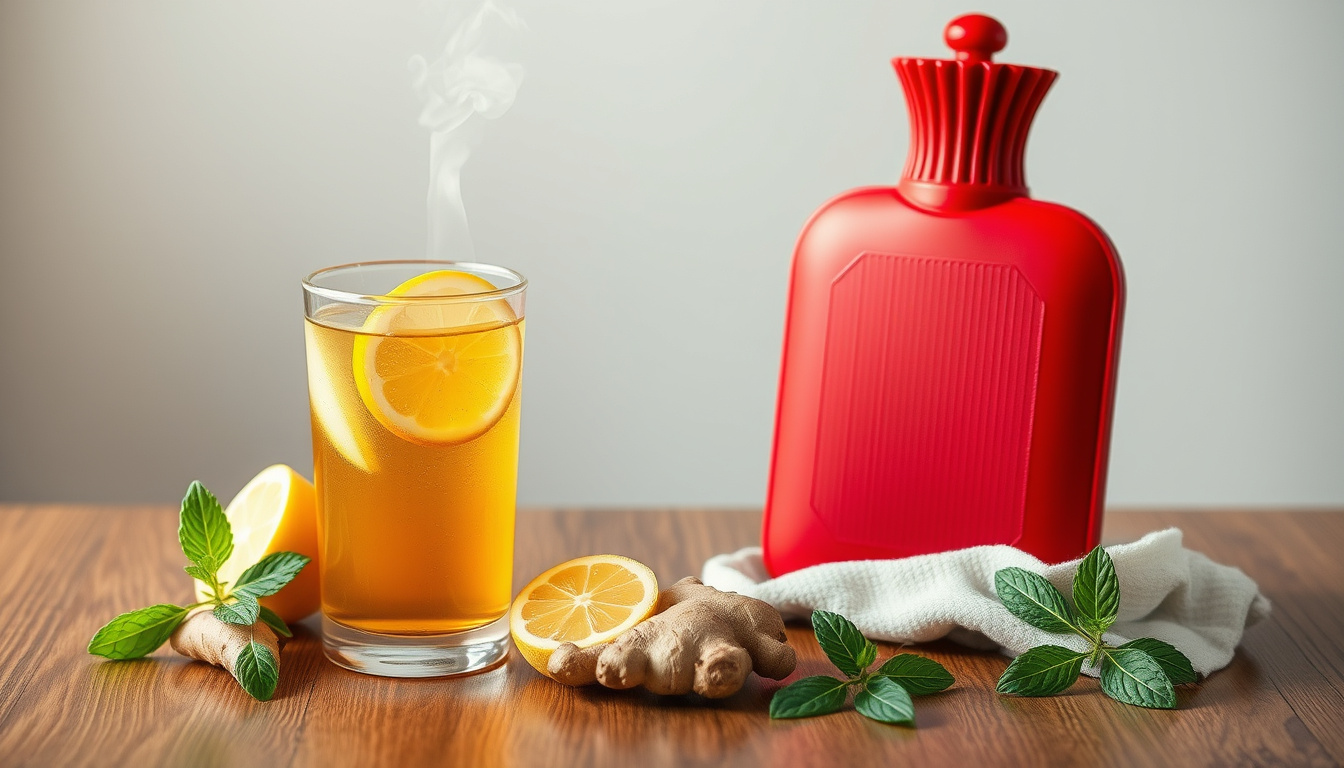
Applying heat to the upper right abdomen for 10 to 20 minutes helps relax surrounding muscles and may ease spasms. A warm compress, heating pad, or hot water bottle serves this purpose, though a cloth barrier should always separate the heat source from skin to prevent burns. Health sources note that this approach offers symptom management rather than a cure.
Body positioning matters during an attack. Sitting upright with a slight forward lean or lying on the left side with knees drawn toward the chest often minimizes pressure on the gallbladder region. These positions reduce tension on abdominal muscles and may decrease pain perception.
Hydration and Breathing Techniques
Staying hydrated supports bile dilution and prevents dehydration during episodes marked by nausea or vomiting. Sipping clear water, broth, or mild herbal tea gradually works better than drinking large volumes quickly. Beverages containing caffeine, alcohol, or acid should be avoided, as they may irritate the digestive tract further.
Breathing exercises offer another non-pharmacological option for managing pain and anxiety during attacks. Slow, deep breaths—inhaling through the nose and exhaling through the mouth—or quick, shallow breaths may help some individuals cope with discomfort. Healthcare resources note that deep breathing may occasionally intensify symptoms in certain cases, so individuals should observe what works for them.
How Do You Get Rid of a Gallbladder Attack Fast at Home?
Home management focuses on creating conditions that minimize irritation to the gallbladder while the attack runs its course. These approaches vary in their evidence levels, and understanding which methods have stronger support helps set realistic expectations.
Over-the-Counter Medications
Non-prescription pain relievers offer pharmaceutical options for symptom management. Ibuprofen addresses inflammation that may accompany gallbladder irritation, while acetaminophen targets pain signals directly. Taking these medications early in an attack, rather than waiting for pain to
Related stories





Samuel Hart is Devices & Reviews Editor at ScopePress.uk, covering smartphones, laptops, hardware and hands-on reviews.