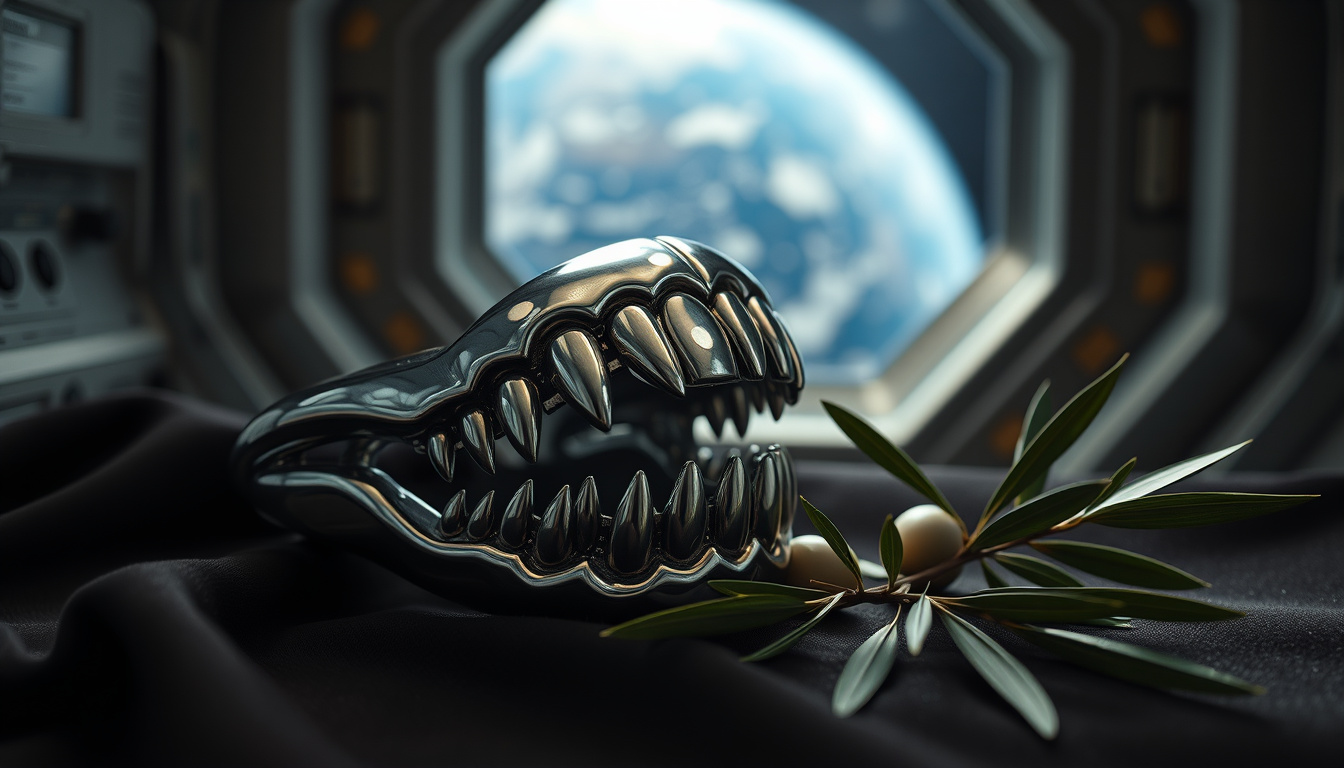
There’s a moment in every James Bond marathon when a seven-foot-tall man with metal teeth steps into frame, and the room inevitably shifts. He doesn’t say much, but he doesn’t need to — his presence alone redefines what a movie villain can be. If you’ve ever wondered about the real person behind Jaws, the gentle giant who terrified audiences in two of the most beloved Bond films, this fact-checked guide is for you. We’ll explore Richard Kiel’s life, his iconic character arc from cold-blooded killer to unlikely ally, and the medical condition that shaped his unforgettable appearance.
Height: 7 ft 1.5 in (217 cm) · Films: The Spy Who Loved Me (1977), Moonraker (1979) · Condition: Acromegaly · Died: September 10, 2014
Key facts at a glance
- Jaws — henchman with steel teeth, known for his silent menace
- Richard Kiel (1939–2014)
- 7 ft 1.5 in (217 cm)
- Acromegaly — caused by a benign pituitary tumor
Why Jaws became an unforgettable Bond villain
When Richard Kiel first donned the steel teeth in The Spy Who Loved Me (1977), the production team had no idea audiences would fall so hard for a silent killer with a metal grin. But something about the character — his towering frame, his eerie calm, his almost superhuman resilience — broke the usual Bond villain mold. He returned in Moonraker (1979), this time with a redemption arc that caught everyone off guard.
Australian media echoed this, describing Jaws as a villain with metal teeth trying to kill the British agent. He doesn’t need to threaten — his size and the grinding sound of those metal teeth do all the work. His evolution from pure menace in The Spy Who Loved Me toward a less purely villainous presence in Moonraker made audiences actually root for him by the end.
Kiel’s background as a gentle man off-screen made his on-screen menace even more impressive. The cable car fight in The Spy Who Loved Me remains one of the most iconic action sequences in Bond history, showcasing Jaws’s seemingly indestructible nature.
Perhaps the most subversive moment in Bond history happens at the end of Moonraker, when Jaws — the same character who once tried to crush Bond’s skull — survives a space battle and lands in a crowded square with a woman who loves him. The implication: even the most monstrous villains can find redemption when given the right motivation.
The real man behind the metal teeth
Richard Kiel’s life was as extraordinary as the character he played. Born on September 13, 1939, in Detroit, Michigan, Kiel grew up with a medical condition that would define his appearance and, ultimately, his career. His exceptional height and distinctive features were caused by acromegaly, a hormonal condition involving excess growth hormone, as reported by the Los Angeles Times. Obituary coverage noted that Kiel’s distinctive height and features resulted from acromegaly rather than simple tallness alone.
Despite the condition that made him a giant, Kiel was described by those who knew him as a soft-spoken, gentle person — the opposite of the characters he played. He married twice and had four children, and those who worked with him consistently recalled his kindness and professionalism on set.
| Attribute | Detail |
|---|---|
| Height | 7 ft 1.5 in (217 cm) |
| Born | September 13, 1939, Detroit, Michigan |
| Died | September 10, 2014, California |
The contrast between Kiel’s towering screen presence and his off-screen warmth is the key to understanding his appeal. He wasn’t just a man with a condition playing a monster — he was a skilled actor who used everything he had, including his size and voice, to create characters that lingered in viewers’ minds for decades. What this means: Kiel’s legacy rests not on his physical difference, but on how he transformed that difference into memorable, nuanced performances.
Acromegaly typically results from a benign pituitary tumor that causes excess growth hormone production. In Kiel’s case, this condition went untreated for years, which is why his features and height continued to develop well into adulthood.
Kiel’s medical condition wasn’t just a footnote — it was central to how he was cast and how audiences perceived him. But there was always a hint of vulnerability in his performances, a quality that made even his most menacing roles oddly sympathetic. The pattern: Kiel turned what could have been a limitation into a career-defining advantage, becoming one of the most recognizable character actors of his generation.
From villain to unlikely hero: Jaws’s redemption arc
The most unusual thing about Jaws isn’t his appearance — it’s his trajectory across two films. In The Spy Who Loved Me, he’s a relentless killer who bites through steel cables and feels no pain. In Moonraker, he falls in love, switches sides, and saves Bond’s life. This character transformation is unprecedented in Bond history — no other villain has ever received such a complete narrative redemption.
Kiel’s Jaws became a cultural icon precisely because he broke the rules of what a Bond villain should be. His silence made him more intimidating, but it also made his eventual turn to the good side more surprising. The moment he meets Dolly, a sweet young woman who sees past his frightening exterior, marks the beginning of his change — he realizes there’s more to life than serving an evil master.
Jaws speaks only one word in Moonraker — “Dolly” — yet that single utterance carries more emotional weight than most villains achieve with pages of dialogue. The catch: by giving Jaws so little to say, the filmmakers made his rare moments of communication feel meaningful, which made his redemption arc all the more believable.
What Kiel’s performance teaches us about character acting
One obituary in the Irish Times recalled his role in the James Bond franchise as “a performance that has endured in popular memory” — and for good reason. His height, a result of acromegaly, made him stand out, but it was his acting ability that kept him working. He wasn’t just cast for how he looked; he was cast for what he could do with it.
Kiel’s approach to Jaws demonstrates a masterclass in physical acting. With almost no dialogue in his first Bond film, he conveyed menace, resilience, and eventually warmth purely through posture, expression, and timing. He understood that audiences remember how a character makes them feel, not what that character says.
At his peak, Kiel was earning $2 million per Bond film — a testament to how valuable his silent performance had become to the franchise’s success.
Interestingly, Kiel’s net worth at death was estimated at around $2 million, accrued through decades of character work. His career spanned far beyond Bond, including appearances in Westerns, science fiction, and comedy — showing remarkable range for an actor often typecast by his appearance. What this means: Kiel’s success wasn’t about being the biggest guy in the room — it was about being the most memorable performer in whatever scene he occupied.
Related reading: Bellatrix Lestrange: Family, Wand, Death & Voldemort · Bucky Barnes: Winter Soldier Story, Relationships, Trivia
jamesbond.fandom.com, mi6-hq.com, tcm.com, de.wikipedia.org, tvtropes.org, independent.ie, remindmagazine.com, es.wikipedia.org, nl.wikipedia.org, en.wikipedia.org, birthmoviesdeath.com, latimes.com
Frequently asked questions
Did Jaws have any dialogue in The Spy Who Loved Me?
In The Spy Who Loved Me, Jaws has no dialogue at all. His performance is entirely physical, relying on his imposing stature, his unsettling silence, and the menacing sound of his metal teeth grinding together.
What caused Richard Kiel’s exceptional height?
Richard Kiel had acromegaly, a condition caused by a benign pituitary tumor that led to excess growth hormone production. This caused his bones and facial features to grow disproportionately, including his height of 7 ft 1.5 in (217 cm). Multiple sources, including biographical databases and his own accounts, confirm Kiel stood 7 ft 1.5 in (217 cm) in adulthood.
How many James Bond films did Richard Kiel appear in?
Kiel appeared in two Bond films: The Spy Who Loved Me (1977) and Moonraker (1979). His portrayal of Jaws in these films became his most famous role.
Why did Jaws help James Bond in Moonraker?
Jaws started as a primary antagonist in The Spy Who Loved Me, but in Moonraker he gradually shifted away from villainy. After Bond saved his life (and Dolly’s), Jaws realized Drax didn’t care about him — the true villain’s plans would have killed Jaws and Dolly too. His love for Dolly motivated his change of allegiance.
What disease did Richard Kiel have?
Richard Kiel was diagnosed with acromegaly, a hormonal condition typically caused by a benign pituitary tumor. The condition was not treated until later in life, which is why his physical features continued to develop disproportionately.
When did Richard Kiel die?
Richard Kiel passed away on September 10, 2014, in California. He was 74 years old.
What do Jaws say in Moonraker?
Jaws does not speak in complete sentences in Moonraker. His only word is “Dolly,” spoken when he introduces his girlfriend. His silence throughout the film adds to his menace and makes his rare moments of speech surprisingly impactful.
Who played Jaws in James Bond?
Richard Kiel played Jaws in both The Spy Who Loved Me (1977) and Moonraker (1979). His performance made him one of the most recognizable Bond villains of all time.
How much was Richard Kiel worth when he died?
Richard Kiel’s net worth was estimated at approximately $2 million at the time of his death in 2014, accumulated through his extensive acting career.
What height was Richard Kiel?
Richard Kiel stood 7 ft 1.5 in (217 cm) tall in adulthood — a height that made him one of the tallest actors of his generation and contributed significantly to his on-screen presence.
Related stories




Craig Newton is Senior Reporter at ScopePress.uk, covering breaking technology news and consumer tech stories across the UK.