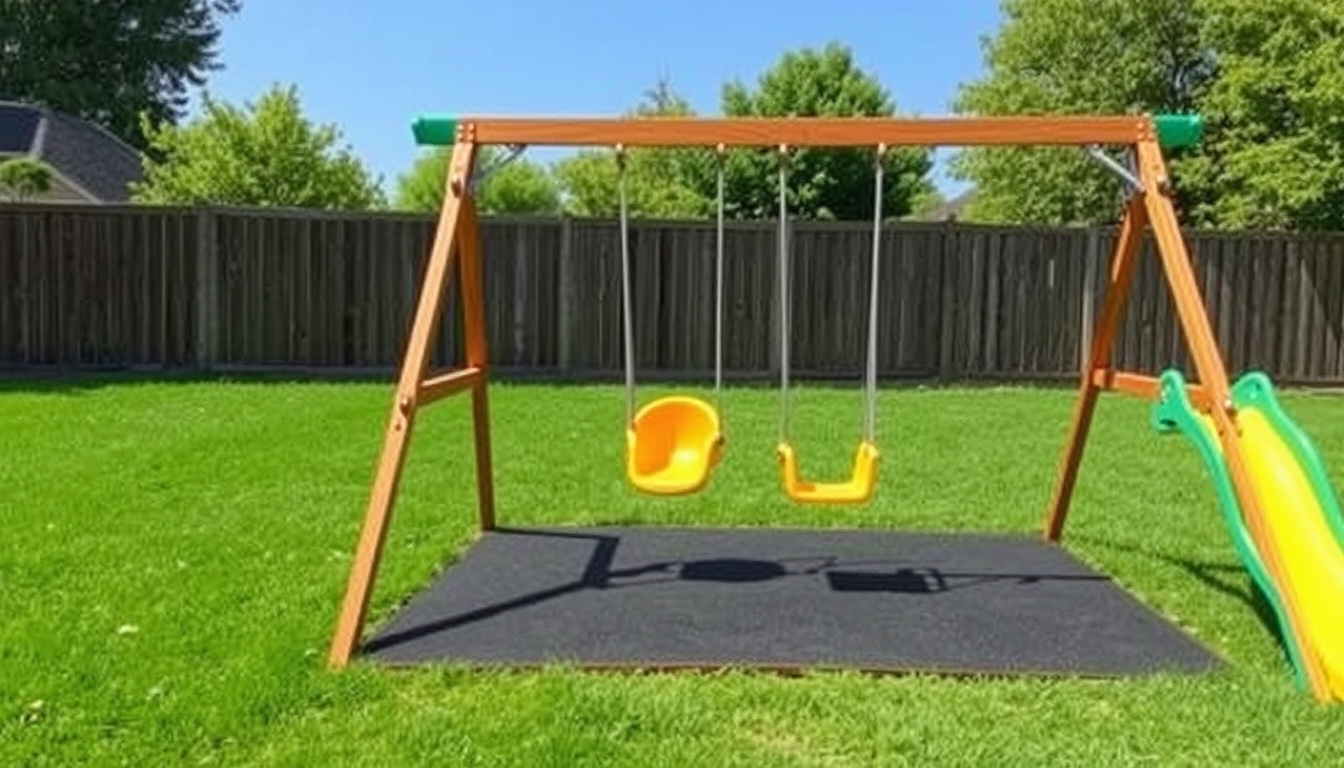
There’s a particular thrill in watching a kid discover the simple joy of a swing — the wind in their hair, the sky tipping back and forth, the triumphant squeal at the top of an arc. But for parents and grandparents, that joy often comes with a knot of anxiety: how much should this cost, and is it actually safe? Between the dizzying array of kits, materials, and price points, choosing a swing set for a small backyard can feel less like a fun project and more like a high-stakes decision. This guide cuts through the noise to give you a clear, fact-based look at the real costs, the safety essentials you can’t ignore, and the clever strategies that can save you hundreds without sacrificing quality.
Typical Cost Range: $80–$4,000+ · Safety Clearance: 6+ ft on each side · Yearly ER Visits: ~200,000 (U.S.) · DIY Savings Potential: 20–30% off kit price
Key Facts at a Glance
- $500–$2,500 for ready-to-assemble models. DIY kits can save 20–30% off retail. CostHelper
- Building from a kit can save 20–30% on the purchase price of a comparable ready-to-assemble model. Wayfair
- With proper sealing and maintenance, a wooden set can last 10–15 years. This Old House
- Always leave a clear perimeter of at least 6 feet on each side to prevent injuries from collisions or falls. HealthyChildren.org
How Much Does a Swing Set Really Cost? A Price Breakdown
Before you start dreaming of backyard adventures, it’s crucial to get a realistic picture of what you’re likely to spend. The price of a swing set isn’t a one-size-fits-all number; it’s a spectrum that hinges heavily on material, size, and whether you’re buying a kit or building from scratch. A basic A-frame metal set might set you back less than a fancy dinner, while a sprawling wooden fortress can cost as much as a used car. Understanding this range is the first step to making a smart, budget-friendly choice that doesn’t compromise on safety or fun.
To help you navigate these costs, let’s look at a detailed comparison of what you’re actually paying for at different price points. This table breaks down the average costs and key factors that influence them, giving you a clear framework for your budget.
| Factor | Cost Range / Value | Source |
|---|---|---|
| Average cost of a swing set | $500–$2,500 for ready-to-assemble models; basic A-frames $80–$500; commercial-grade metal sets $500–$4,000+ | CostHelper |
| DIY vs. ready-made savings | Building from a kit can save 20–30% on the purchase price of a comparable ready-to-assemble model. | Wayfair |
| Cost to install professionally | Not specified in research notes; typically increases total project cost significantly. | N/A |
The Trade-off
The old adage “you get what you pay for” holds true here. A cheaper metal set might be a quick win for a toddler’s first playset, but a wooden set, while pricier upfront, often offers greater longevity and a more classic aesthetic for a growing family.
Wood vs. Metal: Choosing the Right Material for Your Backyard
Once you’ve set a budget, the next big decision is choosing the frame material. This choice isn’t just about looks; it dictates the swing set’s longevity, maintenance requirements, and stability. Wood offers a timeless, natural aesthetic that blends into most backyards, while metal is often more modern, lower-maintenance, and can be surprisingly strong. Your decision will be shaped by your climate, your willingness to perform upkeep, and the overall style you’re aiming for. Let’s break down the key differences to help you decide which material best suits your small backyard.
- Wood: Offers superior strength and a classic look. It’s heavy, which can mean more stability, but it requires annual staining or sealing to prevent rot and weather damage. A-frame swing sets can cost $80 to $500, while commercial-grade metal sets can cost $500 to $4,000 or more.
- Metal: Generally more affordable initially and requires less maintenance than wood. Modern powder-coated steel is rust-resistant and can be very durable, but it can get hot in the sun and may not have the same natural charm as wood.
| Feature | Wood | Metal |
|---|---|---|
| Aesthetic | Natural, classic, blends with landscape | Modern, sleek, often colorful |
| Maintenance | High; requires annual sealing, staining, and checking for splinters/rot | Low; occasional washing and checking for rust |
| Cost | Generally higher upfront, but a dry, level surface is usually required. | Generally lower upfront, can be a good budget option |
| Lifespan | 10-15 years with proper care | Can last 10-15+ years with a protective coating |
Why This Matters
Choosing between wood and metal is fundamentally a trade-off between maintenance commitment and upfront cost. If you want a set that requires minimal fuss and have a modern home, metal is likely your ally. If you envision a natural centerpiece that will age gracefully and you don’t mind a yearly chore, wood is the classic choice.
Is it cheaper to build or buy a swing set?
Building from a kit can save 20–30% on the purchase price of a comparable ready-to-assemble model. According to Wayfair’s buying guide, this represents a significant saving for families willing to invest a weekend in assembly. However, DIY projects require time for design, material sourcing, and assembly, which may offset savings for most families.
What are the hidden costs of building a swing set?
Beyond the lumber, hardware, and tools, hidden costs include concrete for anchoring, safety surfacing materials, and the value of your own labor. Professional installation can add $150 to $600 to the total, according to estimates from Well Built Florida.
What are the price ranges for buying a ready-made swing set?
Ready-made swing sets range from about $500 to $2,500 for typical residential models. Basic A-frame metal sets can cost between $80 and $500, while larger, commercial-grade wooden or metal sets can cost anywhere from $500 to $4,000 or more.
Maximizing Space and Safety: Clearances, Installation, and Common Pitfalls
In a small backyard, every inch matters, and safety must be the guiding principle. A swing set isn’t just a standalone object; it requires a designated “clear zone” to ensure kids can play safely without injury. This section covers the non-negotiable safety clearances you should always follow, along with installation considerations and common mistakes to avoid.
Before you sink any posts into the ground, it’s critical to understand the required safety perimeter. According to the American Academy of Pediatrics (AAP), you should always leave a clear perimeter of at least 6 feet on each side of the swing set. This prevents injuries from collisions or falls. Here are some other critical safety and installation factors:
- Surface: A critical safety factor is a soft landing surface. Grass is not enough to protect a child from serious head injury. Consider using rubber mulch, wood chips, or sand. The AAP emphasizes this as a key injury-prevention measure.
- Swing Seats: Swing seats should be made of something soft, not wood or metal. This can involve adding a plastic or rubber cover to reduce the risk of injury, particularly from head impacts.
- Anchoring: Ensure the set is anchored to the ground to prevent tipping over during vigorous play. Most DIY kits include anchoring hardware for this purpose.
Safety isn’t just about the initial setup; it’s an ongoing responsibility. Each year, emergency departments treat about 200,000 swing- and playground-related injuries in the U.S., which serves as a stark reminder of why these precautions matter. The most common injury mechanisms involve falls from the equipment, collisions with moving swings, and impacts from components.
- Injury Statistics: The high number of yearly ER visits underscores the fact that swing sets are a leading cause of playground-related injuries, not a niche concern. These injuries often involve falls onto hard surfaces.
- Maintenance is Key: Regularly inspect the swing set for loose bolts, rust, splinters, or deterioration from weather. A proactive approach to maintenance can prevent many injuries.
The Catch
Falling on a playground is a normal part of play, but a hard landing onto a non-resilient surface can turn a minor tumble into a serious head injury. The content of the landing surface is not a minor detail; it is the single most important safety feature you can control.
Why are swings being removed from playgrounds?
The removal of swings from public playgrounds is a growing trend driven by injury statistics and liability concerns. The Consumer Product Safety Commission (CPSC) data shows that swings are involved in a significant portion of playground-related injuries, particularly head impacts and fall-related incidents.
What are the main safety concerns with swings?
Swings present unique risks: moving components can strike children who wander into the fall zone, and the arc of a swing means falls can happen from greater heights than stationary equipment. The AAP notes that lack of protective surfacing and inadequate fall zones are common factors in serious injuries.
What are the liability and space issues causing removal?
Municipalities and schools face rising insurance costs and liability concerns. Removing swings reduces the risk of lawsuits from falls and collisions. Space constraints also play a role: swings require a 6-foot clearance zone on all sides, consuming yard area that could otherwise hold multiple play structures.
What is the best swing set for children?
The “best” swing set depends primarily on a child’s age and the available space. The American Academy of Pediatrics recommends age-appropriate designs that match physical development and weight limits.
What features should you look for in a swing set?
Look for rounded edges, rust-resistant hardware, and a weight capacity that accommodates your child’s growth. Swing seats should be made of soft materials like rubber or plastic, not wood or metal. The Nationwide Children’s Hospital recommends that platforms stay lower than 6 feet for school-aged children and even lower for toddlers.
How does age affect the best swing set choice?
Age-appropriate designs include bucket swings with safety harnesses for toddlers and belt swings for older kids. Children ages 2–6 benefit from lower platforms and shorter slides. Kids ages 6–12 can handle taller structures with trapeze bars or climbing walls, provided the weight capacity is sufficient.
At what age do kids outgrow swing sets?
Most children outgrow a swing set between ages 8 and 12, depending on height and weight limits. A small toddler set may be outgrown by age 4, while a larger playset with adjustable swings can remain engaging until the early teenage years.
What are the signs a child has outgrown a swing set?
Clear signs include the child’s head reaching above the top bar while sitting, feet dragging on the ground during swinging, or loss of interest in the equipment. When a child exceeds the manufacturer’s weight limit, the set becomes structurally unsafe.
When is a swing set too small or unsafe for an older child?
Older kids may still enjoy a swing set if it includes an adjustable swing or slide that can be modified. However, once a child exceeds the maximum weight capacity or their height creates clearance issues, the set should be retired. A 10-year-old may still safely use a larger wooden set with belt swings rated for 100+ pounds.
How Much Should I Spend on a Swing Set? A Price Breakdown by Tier
The amount you spend directly correlates with material quality, number of seats, and added features. Here’s a clear breakdown of what each price tier delivers.
| Tier | Price Range | Typical Features | Best For |
|---|---|---|---|
| Budget | $200–$500 | Metal A-frame, 2 belt swings, no slide | Toddlers, occasional use, small yards |
| Mid-range | $500–$1,500 | Wood or metal, 2–3 swings, slide, climbing rungs | Regular family use, ages 3–8 |
| Premium | $1,500–$5,000+ | Cedar wood, fort, rock wall, trapeze bar, canopy | Long-term use, multiple children, large yards |
What is a good swing set for a small backyard?
Compact A-frame or two-swing sets with a slide are ideal for small gardens, requiring only about 10×10 feet of space. Look for designs that maximize play value within a tight footprint.
What space-saving designs are available?
Foldable or swing-out features allow the set to be stored when not in use. Some manufacturers offer corner-mounted swings or sets with slides that angle away to use space more efficiently. Small backyard play areas under 800 sq. ft. can still accommodate sets with one to three swings plus compact accessories, according to Wayfair.
What safety clearance should you leave around a small swing set?
Always leave a clear perimeter of at least 6 feet on each side of the swing set. This buffer zone is critical to prevent injuries from collisions with the moving swing or from falls off the structure.
Is it better to get a metal or wood swing set?
The choice between metal and wood depends on your priorities for maintenance, aesthetics, and longevity. Each material has distinct trade-offs that affect your experience over the set’s 10–15 year lifespan.
What are the pros and cons of metal swing sets?
Upsides
- Generally more durable and rust-resistant with powder coating
- Requires less maintenance than wood
- Can last 10–15+ years
Downsides
- Can become hot in direct sunlight, posing burn risk
- May not blend naturally with garden aesthetics
- Limited customization options
What are the pros and cons of wooden swing sets?
Upsides
- Blends better with garden aesthetics
- Offers superior strength and stability
- Can be painted or stained to match outdoor decor
Downsides
- Requires annual sealing, staining, and occasional repairs
- Higher upfront cost for quality wood like cedar
- Susceptible to rot and splintering without maintenance
What Manufacturers Say
“Wooden swing sets require seasonal re-sealing to prevent wood rot and extend lifespan,” advises a representative from Plum Play, a major swing-set manufacturer. “Skip that yearly chore, and you cut the set’s life by half.”
When’s the best time to buy a swing set?
Retailers typically offer discounts in late summer and early fall to clear out seasonal inventory. Holiday sales events like Labor Day and Black Friday may also feature swing set deals.
When do swing set sales occur?
Major outdoor-toy retailers run extra promotions on swing sets during Labor Day weekend. Spring (March–May) sees new models and full-price releases hit the market, while older stock may be discounted at the end of the season.
What are the end-of-season discounts?
Discounts of 20–30% are common in late summer and early fall. Black Friday and Cyber Monday deals may include free shipping and bundle offers that effectively reduce the total cost.
Best Times to Buy: A Timeline
- Late summer/early fall: Retailers discount swing sets by 20–30% to clear seasonal inventory.
- Labor Day weekend: Major outdoor-toy retailers run extra promotions on swing sets.
- November: Black Friday and Cyber Monday deals may include free shipping and bundle offers.
- Spring (March–May): New models and full-price releases hit the market; older stock may be discounted.
Finally, How to Build or Buy Your Swing Set: A Step-by-Step Process
So, you’ve settled on a budget, chosen your material, and understand the safety requirements. The final hurdle is the big decision: do you buy a kit or build from scratch? Whether you’re a seasoned DIYer or prefer a quick weekend install, having a step-by-step plan will save you time, money, and frustration. This section breaks down the entire process, from initial planning to the final safety check, so you can approach this project with confidence and clarity.
- Plan Your Space and Measure Twice: Determine the exact location for the swing set. Account for the 6-foot clearance on all sides and ensure the area is free of overhead obstructions like tree branches or power lines. Mark the final footprint with spray paint.
- Choose Your Foundation: Decide on the surface you’ll use. For a DIY build, a level area of shredded rubber or wood chips is best. If installing a kit, you’ll likely need a level spot and possibly concrete for anchoring the legs.
- Compare Costs (Kit vs. DIY): Get quotes for a professional installation of a swing set kit in your area. Then, research the cost of raw lumber and hardware. This will give you the real number to compare against your 20-30% DIY savings from a kit.
- Assembly and Installation: If you’re starting from a kit, follow the manufacturer’s instructions meticulously. For a ground-up build, use galvanized screws and bolts to prevent rust and ensure a rock-solid frame. Remember to anchor the legs securely.
- Final Safety Check: Before letting the kids loose, walk the perimeter. Check all bolts for tightness, cover any sharp edges, and ensure the surface material is deep enough (at least 6-9 inches of loose fill).
The journey to a backyard swing set is complete when the last bolt is tightened and the first push is given. The reward is a space for countless memories, a little bit of daily exercise for the kids, and a personal satisfaction that comes from knowing you made an informed choice. By weighing the costs, prioritizing safety, and understanding the distinctions between materials, you’ve not just selected a piece of equipment—you’ve created a stage for childhood adventures.
images.thdstatic.com, designtransitionstudio.com, forbes.com, schuermanlaw.com, gorillaplaysets.com, backyardcity.com
Frequently Asked Questions
What are the price ranges for buying a ready-made swing set?
Ready-made swing sets range from about $500 to $2,500 for typical residential models. Basic A-frame metal sets can cost between $80 and $500, while larger, commercial-grade wooden or metal sets can cost anywhere from $500 to $4,000 or more.
Can I leave a swing set outside all year?
It depends on the material. While many metal sets are powder-coated to resist rust and many wooden sets are pressure-treated or naturally rot-resistant, no swing set is truly maintenance-free. Leaving any swing set outside year-round, especially in harsh winters, will eventually take its toll. Covering it or performing annual maintenance like sealing wood extends its lifespan.
What safety clearance should you leave around a small swing set?
Always leave a clear perimeter of at least 6 feet on each side of the swing set. This buffer zone is critical to prevent injuries from collisions with the moving swing or from falls off the structure.
Is it cheaper to build or buy a swing set?
Building from a kit can save you 20–30% on the purchase price of a comparable ready-to-assemble model. Building completely from scratch can be even cheaper if you have tools and access to affordable lumber, but it requires significant skill and time.
What is the best time to buy a swing set?
To get the best deals, consider buying at the end of the season, typically in late summer or early fall. Retailers begin clearing out their seasonal inventory then to make space for fall and winter items, which can lead to significant markdowns on swing sets.
What is the safest swing set material?
Each material has safety trade-offs. Wood offers natural shock absorption but can splinter. Metal is durable but can heat up in direct sun. Plastic is lightweight and cool to the touch but less stable in wind. The AAP emphasizes that proper installation and soft surfacing matter more than the frame material alone.
How much space do I need between the swing set and a fence?
At least 6 feet of clearance on all sides, including from fences, walls, trees, and other structures. This fall zone prevents injuries if a child jumps or falls from the equipment.
How often should I inspect a swing set for safety?
Perform a quick visual check before each use for loose bolts, rust, or splinters. Conduct a thorough inspection monthly, checking all hardware, the anchoring system, and the condition of swings and slides.
Are plastic or wooden swing sets better for toddlers?
Plastic is often positioned as the best option for younger kids and small spaces, according to Lowe’s buying guide. Plastic sets stay cool in sun, have no splinters, and typically include bucket seats with safety harnesses. Wooden sets can work for toddlers if they include appropriate safety features and lower platforms.
What are the clearance requirements for a swing set slide?
The slide exit should have at least 6 feet of clear space in front to allow children to stand up and walk away safely. The slide itself should be angled away from the swing path to prevent collisions.
Related stories





Craig Newton is Senior Reporter at ScopePress.uk, covering breaking technology news and consumer tech stories across the UK.