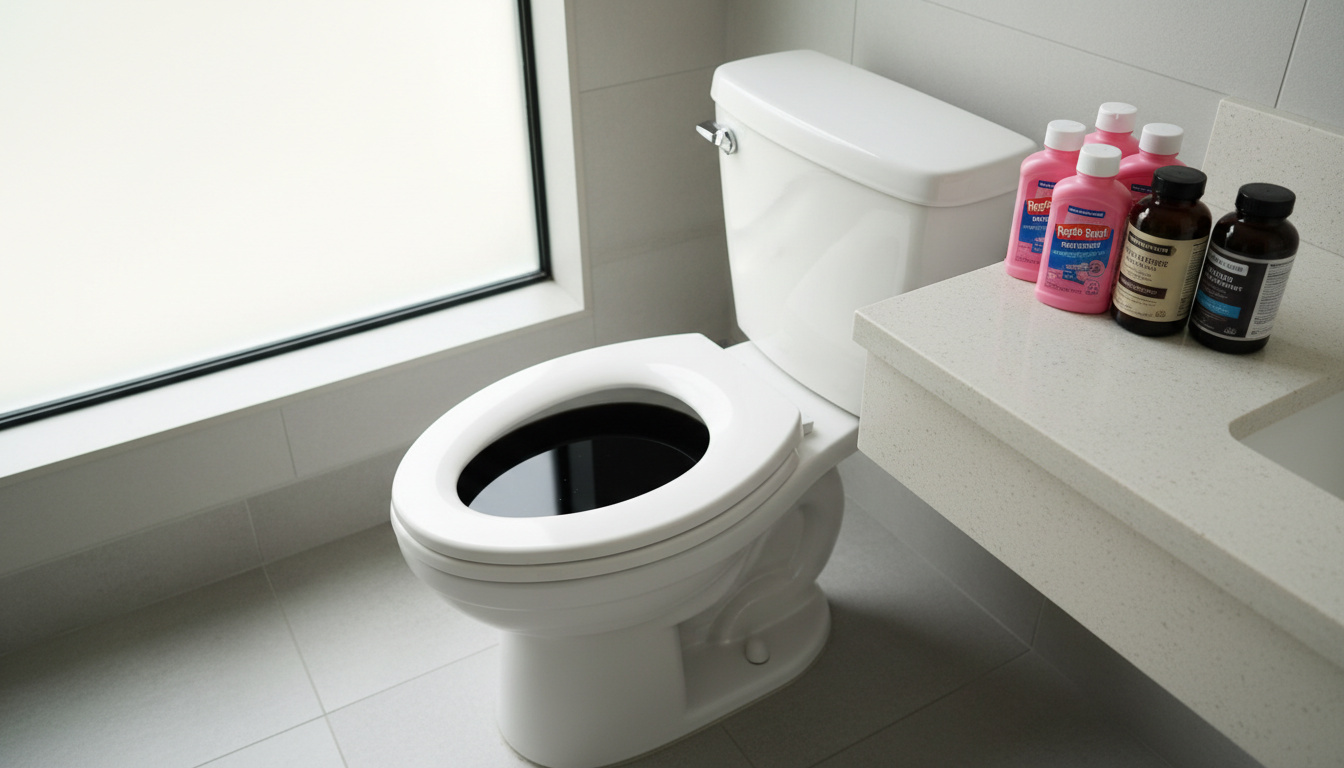
Black stool often triggers immediate concern about internal bleeding, yet many cases involve no blood at all. Dietary choices, common medications, and supplements frequently alter stool color without indicating serious pathology. Understanding the distinction between harmless pigmentation and dangerous melena remains essential for appropriate medical decision-making.
Various foods containing dark pigments or high iron content can darken feces within hours. Medical News Today notes that medications like bismuth subsalicylate and iron supplements produce similar effects through distinct chemical mechanisms. These benign causes typically resolve quickly once the triggering substance clears the system.
However, certain characteristics distinguish dangerous upper gastrointestinal bleeding from harmless color changes. Medical professionals rely on specific texture, odor, and diagnostic tests to verify the presence of occult blood. Recognizing these differences prevents unnecessary anxiety while ensuring serious conditions receive prompt attention.
What Causes Black Stool Without Blood?
Multiple benign factors contribute to black stool formation without indicating hemorrhage. BuzzRx identifies dietary sources and pharmaceutical agents as the primary non-bleeding culprits, with mechanisms ranging from pigment deposition to chemical reactions within the gut.
Key clinical insights distinguish these causes:
- Black licorice contains dark pigments that pass through the digestive system undigested, temporarily staining stool
- Blueberries and blackberries release deep blue anthocyanins that oxidize to dark colors during digestion
- Beets contribute iron and red pigments that darken further through oxidation processes
- Iron supplements produce green-black stools from unabsorbed mineral salts interacting with intestinal bacteria
- Bismuth subsalicylate reacts with trace sulfur in the gut to form black bismuth sulfide
- Activated charcoal used for poisoning or detox protocols physically colors stool black through residual powder
- High-iron dietary patterns involving beans, red meat, and leafy greens can mimic supplement effects
| Cause | Mechanism | Duration | Testing Required |
|---|---|---|---|
| Black licorice | Undigested dark pigments | 1-2 days | No |
| Blueberries | Anthocyanin oxidation | 1-2 days | No |
| Beets | Iron/pigment oxidation | 1-3 days | No |
| Iron supplements | Unabsorbed iron salts | Duration of use | Only if tarry |
| Pepto-Bismol | Bismuth-sulfur reaction | 2-3 days post-dose | No |
| Activated charcoal | Physical black pigment | 1-2 days | No |
| Blood sausage | Dietary iron/heme | 1-2 days | No |
| Dark chocolate | Theobromine/pigments | 1-2 days | No |
| Spinach | Chlorophyll/iron content | 1-2 days | No |
| Antibiotics | Altered gut flora/pigments | Duration of course | If persistent |
Is Black Stool Always a Sign of Blood?
WebMD clarifies that black stool does not automatically indicate bleeding. Melena, the medical term for blood-induced black stool, presents distinctly from pigment-induced discoloration through specific physical characteristics and diagnostic markers.
What Is the Difference Between Melena and Diet Black Stool?
Melena results from digested blood in the upper gastrointestinal tract—specifically the esophagus, stomach, or duodenum. Medical News Today describes melena as black, tarry, and sticky with a distinctive foul odor, often caused by peptic ulcers, esophageal varices, gastric cancer, or chronic NSAID use. The stool appears voluminous and maintains a glossy, sticky texture due to altered blood proteins.
Conversely, diet-induced black stool retains normal consistency and neutral odor. Cary Gastroenterology Associates emphasize that harmless causes lack the tarry quality and distinctive smell characteristic of bleeding. The color change remains superficial, affecting only the hue while preserving typical stool formation.
Melena produces tarry, sticky stools with a distinct foul odor, while harmless dietary causes maintain normal stool consistency and smell. The fecal occult blood test (FOBT) provides definitive confirmation, returning positive for bleeding and negative for benign pigmentation.
How Do Doctors Test for Hidden Blood?
The fecal occult blood test (FOBT) serves as the primary diagnostic tool for detecting microscopic blood invisible to the naked eye. GoodRx explains that this test identifies hemoglobin traces within the stool sample, offering objective evidence of gastrointestinal bleeding. Positive FOBT results in the context of black stool strongly suggest melena rather than dietary causes, prompting immediate further investigation.
When Should You Worry About Black Stool?
Certain clinical scenarios demand immediate medical evaluation regardless of suspected cause. Tua Saúde recommends consulting healthcare providers when black stool persists beyond two to three days despite discontinuing suspected dietary triggers or medications.
Is Black Stool in Children Dangerous Without Blood?
Pediatric cases follow similar etiological patterns as adults, with dietary pigments and iron supplements representing common causes. However, children may not articulate associated symptoms effectively, requiring closer parental monitoring. Cleveland Clinic advises consulting pediatricians for any stool color changes lasting more than one to two days, or immediately if accompanied by vomiting, diarrhea, or lethargy. While bleeding remains rarer in children, conditions like milk protein allergy can occasionally cause gastrointestinal hemorrhage.
What About Black Stool During Pregnancy?
Pregnant individuals frequently experience black stool due to iron supplementation prescribed for gestational anemia. WebMD notes this discoloration remains harmless throughout treatment, though any accompanying symptoms such as pain, dizziness, or persistent changes unrelated to supplements require obstetric evaluation. Bismuth-containing medications generally remain safe for short-term use during pregnancy, though consultation with an OB-GYN remains advisable.
Seek emergency care for black stool accompanied by tarry texture, foul odor, visible blood streaks, vomiting, severe abdominal pain, unexplained weight loss, or profound fatigue. These symptoms may indicate active upper gastrointestinal bleeding requiring urgent intervention.
How Long Does Medication-Induced Black Stool Last?
Resolution timelines vary based on the causative agent and individual gastrointestinal transit time. Most medication-induced discoloration resolves spontaneously upon discontinuation of the triggering substance.
Black Stool After Antibiotics
Certain antibiotics alter stool color through changes in gut flora balance or direct pigment effects. Cleveland Clinic reports that some antibiotics produce color changes ranging from yellow-green to black. These effects typically resolve within days of completing the antibiotic course as normal bacterial populations reestablish.
Resolution Timeline for Common Agents
Bismuth subsalicylate-induced black stool generally clears within two to three days following the final dose. Iron supplement discoloration persists throughout the treatment duration, continuing until iron discontinuation or dosage adjustment. Activated charcoal produces transient black stool lasting 24 to 48 hours as the powder clears the intestinal tract.
Dietary causes typically resolve within 24 to 72 hours after stopping the trigger food. Medication-induced discoloration, particularly from bismuth subsalicylate, generally clears within two to three days following the final dose.
How Does Black Stool Develop and Resolve?
The progression from ingestion to color change follows predictable physiological patterns:
- Ingestion: Consumption of triggering food, supplement, or medication
- Onset: Initial color change appears 12-48 hours post-ingestion as substances traverse the digestive tract
- Peak darkness: Maximum color intensity occurs 24-72 hours with continued exposure or high doses
- Resolution phase: Color begins fading 24-72 hours after cessation of the trigger
- Normalization: Complete return to baseline stool color following full clearance of the causative agent
What Do We Know for Certain About Black Stool?
Established Facts
- Dietary pigments cause harmless temporary black stool
- Iron and bismuth supplements alter stool color through chemical mechanisms
- Melena presents with tarry texture and distinctive foul odor
- FOBT testing detects occult blood with high reliability
- Harmless causes resolve within 1-3 days of trigger removal
Areas Requiring Testing
- Exact duration varies by individual metabolic rate
- Whether persistent black stool indicates bleeding without FOBT confirmation
- Specific antibiotic mechanisms causing dark stool in individual cases
- Threshold food quantities required to trigger visible color change
Why Does Context Matter for Stool Color Assessment?
Stool color interpretation requires comprehensive clinical context rather than isolated observation. Normal physiological variation spans multiple shades, influenced by hydration status, transit time, and baseline diet. Medical history including current medications, recent dietary changes, and concurrent symptoms provides essential diagnostic framework. For a comprehensive guide on finding dining options, check out our Restaurants near me dinner guide.
Age represents a critical contextual factor, with older adults facing higher risks of gastrointestinal bleeding from NSAID use or peptic ulcer disease. Conversely, younger individuals and children more frequently experience benign dietary causes. What Is Critical Thinking – Definition, Skills and Development Guide emphasizes that accurate health assessment requires evaluating evidence within personal medical context rather than relying on isolated symptoms.
The presence or absence of associated symptoms guides clinical urgency. Isolated black stool without pain, fatigue, or texture changes rarely indicates serious pathology. However, correlation with abdominal discomfort, weakness, or respiratory symptoms suggests potential systemic involvement requiring professional evaluation.
What Do Medical Authorities Say About Black Stool?
“Black stools from iron supplementation or bismuth-containing medications typically last for the duration of use and resolve within days of discontinuation. The key distinction lies in stool texture and odor rather than color alone.”
— Medical News Today, Clinical Review
“When black stool appears tarry, sticky, and foul-smelling, this indicates melena from upper GI bleeding rather than dietary causes. The fecal occult blood test provides definitive differentiation.”
— WebMD Digestive Disorders Resource
“Diet-induced black stool maintains normal consistency and resolves quickly after stopping trigger foods. Persistent black stool beyond three days without identifiable cause warrants medical evaluation.”
— Cary Gastroenterology Associates
What Should You Remember About Black Stool Without Blood?
Black stool without blood typically results from benign dietary pigments or common medications including iron supplements and bismuth subsalicylate. These harmless causes resolve within one to three days of stopping the trigger, maintaining normal stool texture and odor. However, tarry, foul-smelling black stool accompanied by symptoms like pain, fatigue, or vomiting requires immediate medical evaluation to rule out upper gastrointestinal bleeding. What Does Retinol Do – Benefits, Side Effects and Timeline demonstrates similar principles of distinguishing between harmless side effects and serious reactions in health monitoring.
Frequently Asked Questions
Can black stool be caused by spinach or beets?
Yes. Beets contain high iron levels and red pigments that oxidize to dark colors, while spinach contributes dark pigments and iron that can darken stool. These effects typically resolve within 1-3 days.
Does charcoal cause black stool?
Activated charcoal used for poisoning or detox purposes causes black stool by physically coloring the feces with residual black powder. This effect lasts 24-48 hours until the charcoal clears the system.
Can antibiotics cause black stool?
Certain antibiotics may darken stool through altered gut flora or direct pigment effects, ranging from yellow-green to black. Color typically normalizes after completing the antibiotic course.
Can high-iron diets cause black stool without supplements?
Diets rich in beans, red meat, and beets provide sufficient iron to darken stool without supplements. This mimics supplement effects but without the tarry texture or odor associated with bleeding.
Is black stool from blueberries normal?
Blueberries and blackberries contain deep blue anthocyanins that naturally darken stool. This harmless effect resolves within 1-2 days of stopping consumption.
Does Pepto-Bismol always cause black stool?
Not always, but commonly. The bismuth subsalicylate reacts with sulfur in the gut to form black bismuth sulfide. This harmless effect lasts 2-3 days after the final dose.
How quickly can food change stool color?
Dietary pigments typically alter stool color within 12-48 hours of ingestion, depending on individual transit time. Peak darkness occurs within 24-72 hours.
Related stories





Samuel Hart is Devices & Reviews Editor at ScopePress.uk, covering smartphones, laptops, hardware and hands-on reviews.